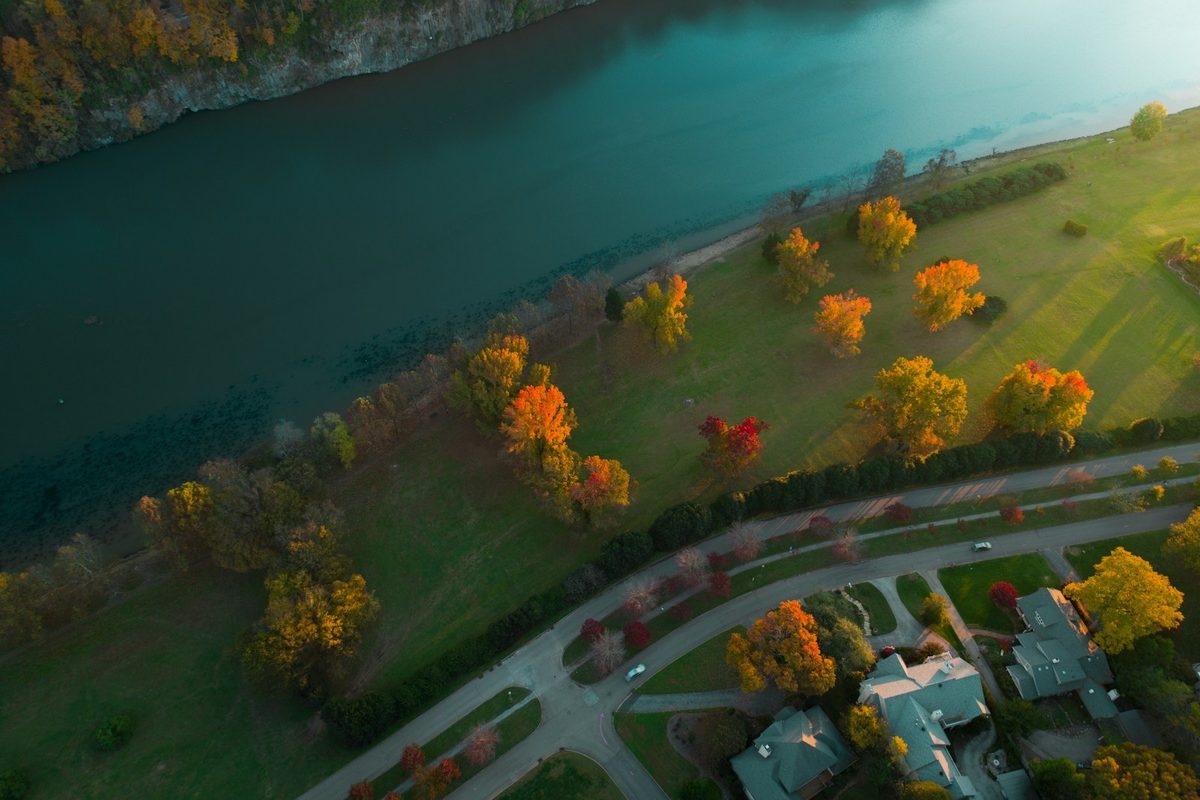
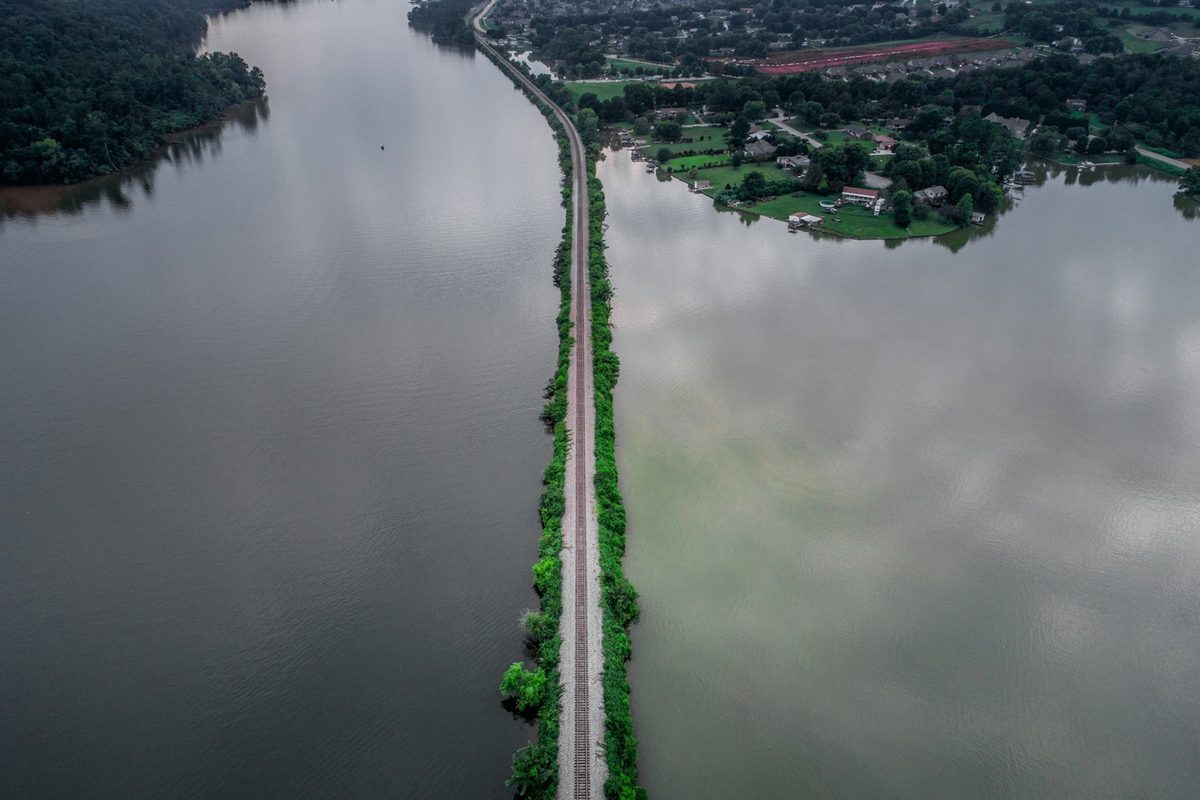
There's a version of lakefront shopping that is all pontoon daydreams and long summer evenings, and I am firmly in favor of it — that feeling is the whole reason people buy on the water. But between the showing and the closing sit three pieces of homework nobody photographs: a federal agency with opinions about your dock, a flood map drawn in feet of elevation, and a lender who has to make all of it pencil. I've walked enough buyers through each piece to promise you this — none of it is scary, all of it is checkable, and the families who check early are the ones whose closings stay wonderfully dull.
This one's for anyone circling the water in Farragut and the Concord & Northshore stretch — where the boats live in the driveways and the lake is a five-minute thought. If you're still in the daydream phase, start with my boating-life primer and come back when a listing has your attention. This post is for when it's getting real.
First, understand who runs the water
Fort Loudoun isn't a lake in the postcard sense — it's the Tennessee River, held back by Fort Loudoun Dam at Lenoir City and managed daily by the Tennessee Valley Authority. That one fact explains almost everything else in this post. TVA holds the summer pool at roughly 812 to 813 feet above sea level, then eases it down to a winter floor around 807 feet to make room for flood season — call it five to six feet of scheduled rise and fall, drawn down in late fall and refilled in spring. By reservoir standards that's remarkably steady; the tributary lakes people love for houseboats can drop several times that. It's a big reason the Farragut end of Fort Loudoun works so well for everyday lake living — the water you fall for in July is mostly still there in January, just a few steps lower on the dock ladder.
813 ft
Typical summer pool
807 ft
Winter floor elevation
1,000 sq ft
Max residential dock footprint
I love that this town's relationship with the water is older than the lake itself — the admiral Farragut is named for was born on this shoreline, and the marker sits in Admiral Farragut Park off Northshore, a short walk from water his family would not recognize. What matters for you as a buyer is simpler: because TVA governs the shoreline, three ordinary parts of a home purchase — insurance, the dock, and the loan — each pick up one extra layer here. Let's take them in order.
The flood-map conversation is calmer than you expect — verify it anyway
Out-of-state buyers often arrive braced for coastal-style insurance pain, and I get to deliver good news: this is a managed river system, not a beach. TVA operates the reservoir specifically to store and move floodwater, and the mapped high-risk flood zone on Fort Loudoun tends to hug a band along the shoreline rather than swallowing whole neighborhoods. Plenty of lakefront homes around Farragut sit up the slope, above that band, where a standard homeowners policy and an optional flood policy are the whole conversation. Plenty is not all — which is why this is a lookup, never an assumption.
The lookup is free and takes two minutes: FEMA's Map Service Center at msc.fema.gov shows the flood zone for any address. Do it the same day you get serious about a house. If the home sits in a mapped high-risk zone — the A and AE zones on the panel — any federally backed mortgage will require flood insurance, and Tennessee pricing in those zones ran roughly $2,000 to $6,000+ a year in 2026 data. Outside the mapped zones, coverage is optional and far gentler — think $400 to $900 a year at the low-risk end — and worth weighing anyway, since nearly a third of flood claims nationally come from outside high-risk zones. And if a house sits technically inside the zone but visibly up the hill, ask about an elevation certificate and a Letter of Map Amendment — I've seen that paperwork move a home out of the requirement entirely.
The Fort Loudoun stretch below Sequoyah Hills — homes set up and back from the water. Elevation is the quiet hero of every flood-map conversation.
Insuring the dock and everything else that floats
The house itself insures normally here — East Tennessee carriers know this market, and there's no coastal wind surcharge waiting to ambush you. The wrinkle is everything past the back door. On a standard homeowners policy, detached structures — and that includes the dock and boathouse — typically live under "other structures" coverage, capped around ten percent of your dwelling limit. On a modest dock that math works fine; on a covered two-slip boathouse with lifts, it often doesn't, and you'll want it scheduled separately. Boats carry their own policies, and a waterfront home full of summer guests is exactly the situation umbrella liability coverage was invented for. None of this is expensive to solve. All of it is annoying to discover in week three of a thirty-day contract.
Hilary's note
My rule for lake buyers: the day you fall for the house is the day you call your insurance agent — homeowners quote, flood quote, dock question, all three. It's one phone call, and it converts the biggest unknown in your monthly payment into a number while you can still negotiate.
· · ·
The dock is its own small transaction
Here's the piece that surprises almost everyone: the dock doesn't convey the way the kitchen does. Any private structure on the shoreline — dock, boathouse, riprap, even steps down the bank — exists under a permit from TVA, issued under Section 26a of the TVA Act. And that permit does not automatically follow the deed. When you buy, TVA expects the new owner to file a transfer-of-ownership application within 60 days of closing. The transfer is routine paperwork if the dock was permitted and built the way the permit describes. If a previous owner added a roof, widened the slip, or bolted on a swim platform without asking, you're no longer transferring a permit — you're applying for a new one, for a structure that may not comply.
An unpermitted dock doesn't stay the seller's problem. At closing, it becomes yours.
— Hilary Kilgore
If the home you're buying has no dock and you're dreaming of one, the current numbers look like this: a residential water-use application carries a $1,000 fee, structures are limited to 1,000 square feet of footprint, and TVA's stated processing window runs up to 120 days — often faster, but plan around the ceiling, not the average. The bigger question comes first, though: not every waterfront lot carries dock rights at all. Shoreline access rights vary parcel by parcel — TVA's online permitting map shows which stretches qualify — and some lots come with a TVA flowage easement across the low band of the yard instead of buildable shoreline. Confirming a lot's actual water rights before you write the offer is the single most valuable twenty minutes in this entire post.
Dock-lined points and quiet embayments — every slip on this water answers to the same federal permit office.
Existing-dock due diligence, before inspection week ends
Ask the seller for the TVA 26a permit and its drawings — early, in writing, alongside the disclosures.
Walk the dock against the drawings: footprint, roofline, lifts, platforms. Anything extra is a conversation, not a surprise.
Look the parcel up on TVA's online permitting map to confirm the shoreline actually carries water-use rights.
Ask what January looks like at the slip — depth at winter pool is the question, and the neighbors will answer it honestly.
Put the 60-day transfer filing on your own calendar for the week after closing. It's your obligation now, not the seller's.
If something was built without a permit, price the cure into your offer — or make the seller resolve it before closing.
Why the lake loan takes longer
None of this changes what kind of mortgage you get — it changes how the file moves. The first drag is the appraisal: true waterfront trades thinly enough around here that the appraiser may reach months back or miles out for comparable sales, and a lender who rarely touches lake property can stall right there. This is my strongest generic advice in the whole post: use a lender who closes on this water regularly, and give the appraisal more calendar room than you think it needs. The second drag is paperwork you now know about — the appraiser can give contributory value to a dock that's permitted and documented, while an unpermitted structure can be carved out of the value entirely. That 26a permit isn't just a compliance nicety; it's part of what the bank is lending against.
Then there's scale. The 2026 conforming loan baseline is $832,750, and a meaningful slice of Fort Loudoun waterfront trades above it — which lands you in jumbo territory: larger reserves, sharper appraisal review, occasionally a second appraisal. If the lake place is a second home rather than your primary, expect roughly ten percent down at minimum and slightly steeper pricing; underwriters read occupancy carefully. And the insurance stack from earlier shows back up in the escrow math — homeowners plus flood plus anything scheduled all sit inside your debt-to-income and your monthly payment, which is one more reason those quotes belong in week one. Older lake lots in the Concord direction add two final wrinkles worth naming: septic systems, which want their own inspection conversation, and title work that routinely shows TVA flowage easements and contour-line language as exceptions. Those easements are normal on this lake — read them with your agent and your closing attorney rather than panicking at the word "federal." If you're still comparing money strategies, my rate buy-down explainer pairs well with this section.
The standing disclaimer: I’m a Realtor, not a lender, insurance agent, CPA, or attorney — every dollar figure in this post is illustrative and current as of August 2026. Your lender, your insurance agent, and TVA’s own pages carry the numbers that count for your purchase.
Hilary's note
None of these quirks costs you the house. What costs people the house is discovering them in week three of a thirty-day contract. Ask early — me, your lender, your insurance agent. On this lake, boring is what winning feels like.
One more resource before the questions: I keep a free 16-page East Tennessee lake-buying guide — the TVA rules in plain English, the drawdown calendar, and the full lakefront checklist — over on the lake guide page. It's the version of this post you can hand to your spouse. And when you're ready to see what's actually on the water this month, the search is here.
Frequently Asked
Frequently asked about buying on the lake
Do you need flood insurance on a lakefront home in Farragut?
Only if the home sits in a FEMA high-risk zone (A or AE) and you're using a federally backed mortgage — and many Fort Loudoun lakefront homes sit above that mapped band, because TVA manages the water level. Check the exact address free at FEMA's Map Service Center before you offer. In-zone Tennessee policies ran roughly $2,000–$6,000+ a year in 2026 data; optional low-risk coverage more like $400–$900. Nearly a third of flood claims come from outside high-risk zones, so many lake buyers carry a modest policy either way.
Does the dock permit transfer when you buy a lakefront home?
Not automatically. TVA expects the new owner to file a transfer-of-ownership application within 60 days of closing, and the transfer is routine only if the dock was permitted and built as the permit describes. Unpermitted modifications mean a new Section 26a application — and after closing, that's the buyer's problem. Get the permit and drawings from the seller during inspection week.
How much does a TVA dock permit cost?
As of 2026, a residential Section 26a application carries a $1,000 fee, docks and boathouses are limited to 1,000 square feet of footprint, and TVA's processing window runs up to 120 days. Eligibility comes first, though — not every waterfront lot carries dock rights, so confirm the parcel on TVA's online permitting map before you count on building.
How much does Fort Loudoun Lake drop in winter?
About five to six feet. TVA holds summer pool around 812–813 feet and draws down to a winter floor near 807 feet for flood season, lowering in late fall and refilling in spring. It's one of the steadier lakes in the region — but slip depth at winter pool is still the question to ask about any dock you're buying.
Is getting a mortgage on a lakefront home harder?
Not harder — slower and more detailed. Waterfront comps are scarce, so appraisals take longer; purchases above the 2026 conforming baseline of $832,750 move into jumbo underwriting; second homes need roughly 10% down with slightly steeper pricing; and the insurance stack (homeowners, flood, scheduled dock coverage) all lands in your escrow and debt-to-income math. A lender who regularly closes on the lake, plus a padded appraisal timeline, removes most of the friction.
Let's Talk
Ready to look at homes on the water?
Tell me what you're picturing — a dock for the pontoon, a cove for the kayaks, a porch pointed at the sunset. I'll tell you which streets actually deliver it, and what the flood map says before you fall in love. Some of my favorite closings are the lake place — the third house, the one families keep. I'd love to help you get there.
Thanks — message received.
Hilary will be in touch within a day or two. In the meantime, keep reading.