I watch buyers wrestle with this one almost every week. They love that Turkey Creek puts everything they need within a few minutes of the front door. Then they sit through one Saturday-afternoon light cycle on Parkside Drive and start to wonder what they're signing up for. Both reactions are correct. The trick is knowing which one matters more for the way your family actually lives.
If you're new to the area, here's the orientation: Turkey Creek isn't a mall and it isn't a neighborhood. It's a roughly three-mile commercial corridor in far West Knoxville and the town of Farragut, threaded along Parkside Drive between two interstate exits. It's where most of West Knox does its everyday errands — and the gravity it creates is exactly why the streets around it are some of the most sought-after, and most debated, addresses in the county.
What Turkey Creek actually is
Turkey Creek opened in 2002 on about 410 acres of what used to be farmland and wetland south of the interstate. Today it stretches roughly three miles along the I-40/I-75 corridor, between the Lovell Road interchange on the west end and the Campbell Station Road interchange on the east. Parkside Drive is its spine — a long retail boulevard that the city and county extended specifically to connect the two exits.
Where it is
Parkside Drive
Between the Lovell Road (exit 374) and Campbell Station Road (exit 373) interchanges on I-40/I-75.
What's there
Nearly everything
Grocery, big-box, a movie theater, dozens of restaurants, plus medical offices and townhomes.
The surprise
A greenway
A city greenway and the protected Turkey Creek wetland run right through the middle of it.
People forget that last part. Tucked behind the shopping centers is a genuine greenway along the creek and a protected wetland, so the area isn't wall-to-wall asphalt the way its reputation suggests. You can pick up a prescription, grab dinner, and walk a paved loop by the water without moving your car — which is a strange and useful thing to be able to say about a shopping district.
2002
Year it opened
~3 mi
Along the interstate
410
Acres of mixed use
Why families love it
The case for living near Turkey Creek is almost embarrassingly simple: it gives you your time back. The week of a working family is a series of errands stacked on top of each other, and when the pediatrician, the grocery store, the pharmacy, the hardware store, the gym, and three decent dinner options are all inside the same few minutes, those errands stop eating whole evenings. You run one loop instead of four.
It's also the rainy-day pressure valve. When the weather cancels the ballfields, the families who live nearby already know the move — a movie, an early dinner, a lap through the bookstore. If you've read my guide to a rainy Saturday in Farragut, you know most of those options sit inside this corridor. Teenagers like it for the same reason parents tolerate it: there's somewhere to go that isn't the house, and it's close enough to reach without a highway.
Convenience doesn't sound romantic until you've spent three years driving twenty-five minutes for a gallon of milk. Then it sounds like freedom.
— Hilary Kilgore
And here's the part buyers underrate: that convenience is a durable asset. Retail gravity like this doesn't move. The homes that are genuinely close to it tend to hold their appeal through every market I've worked, because the next buyer wants the same fifteen minutes back that you did. It's one of the quieter reasons West Knox resale stays sturdy.
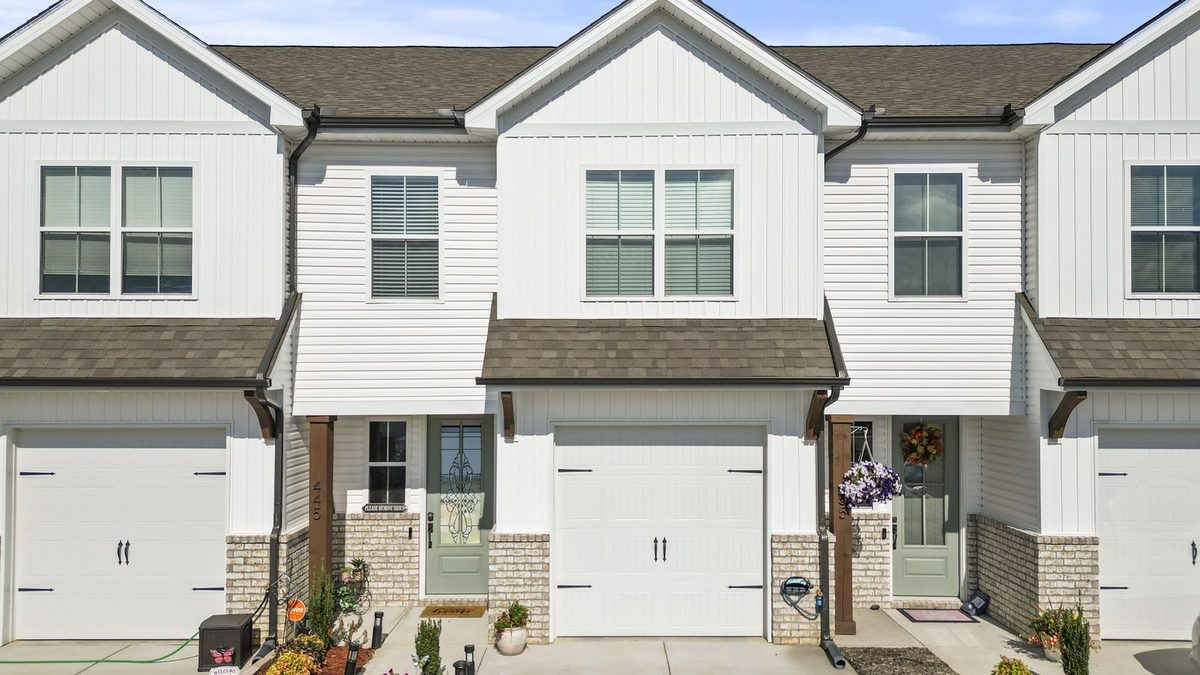
Low-maintenance townhomes a few minutes from the corridor — a popular trade for buyers who want the convenience without the yard.
The traffic, honestly
Now the part the brochures skip. Turkey Creek generates traffic, and on its worst days that traffic is genuinely frustrating. Parkside Drive can crawl, the Kingston Pike corridor that parallels it backs up, and the left turns in and out of the shopping centers test everyone's patience. The Lovell Road interchange — which the state has reworked more than once — still funnels a lot of cars into a small space when the interstate is busy.
The honest framing is that this is concentrated, not constant. The corridor has distinct rhythms, and once you know them, they stop being a surprise:
Hilary's note
When a buyer tells me they "hate Turkey Creek traffic," I ask when they were last there. Nine times out of ten it was a Saturday afternoon in December. That's the corridor at its absolute worst — and judging the address by its worst hour is like judging a house by the one week a year the neighbor repaints his fence.
The predictable pinch points are weekday evening rush, roughly 5 to 6 p.m.; Saturday from late morning through midafternoon; and the whole stretch from Thanksgiving through Christmas, which is its own animal entirely. School dismissal adds a smaller bump on weekday afternoons. Tuesday at 10 a.m., or a Sunday morning, you'll wonder what everyone was complaining about. It's worth noting the area keeps getting incremental fixes, too — I wrote about one of them when Farragut finally added a signal at Loop Road.
How locals actually live with it
People who've lived near Turkey Creek for years don't fight the traffic — they route around it. Three habits do most of the work, and they're the same three I walk new buyers through before they ever make an offer.
Pick your pocket. The single biggest variable is whether your daily routine forces you across Kingston Pike at its busiest points. Neighborhoods that can slip onto Parkside Drive or down Grigsby Chapel Road without crossing the Pike at rush hour feel a world away from ones a half-mile up the road that can't. This is also where Hardin Valley comes in — plenty of those families reach the corridor up and over Campbell Station or Pellissippi and skip the worst of it entirely.
Time your trips. Locals do their Turkey Creek errands on weekday mornings and early afternoons, and they treat December Saturdays the way the rest of us treat the airport at the holidays — with a plan, or not at all.
Learn the side routes. Grigsby Chapel Road, Parkside Drive itself, and a couple of well-known cut-throughs carry people past the Kingston Pike crush. And choosing the right interstate exit — Lovell on the west end, Campbell Station on the east — drops you on the correct side of the corridor instead of making you drive its whole length.
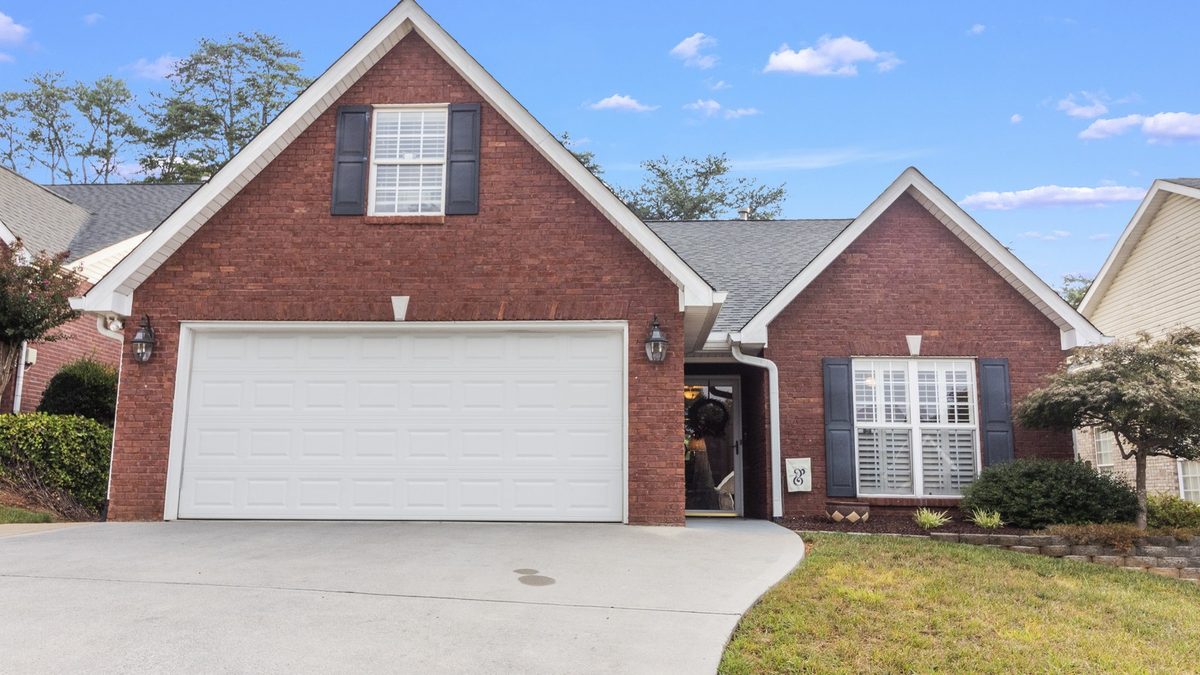
An established subdivision a few minutes off the corridor — close enough for convenience, set back enough for quiet.
What to check before you buy near Turkey Creek
If the convenience has you sold, good — but spend an afternoon doing your homework before you commit. The buyers who end up happiest are the ones who tested the trade-off instead of assuming it.
Before you make an offer near Turkey Creek
Drive the real commute at rush hour. Not at noon on a tour — at 5:15 on a weekday, from this house to your actual office.
Check which side of Kingston Pike you're on. It changes your daily experience more than almost anything else about the house.
Listen for the interstate. Some pockets near the corridor catch I-40 noise, especially with leaves down in winter. Stand in the backyard.
Read the HOA and townhome rules. A lot of the closest-in homes are attached or in managed communities, each with its own rules on rentals, parking, and exteriors.
Note the creek and wetland. The greenway is a perk, but anything near water is worth a question about drainage and flood designation.
Confirm school zones. Being near Turkey Creek doesn't tell you which schools you're zoned for — verify the specific address.
That last group of questions is also where it helps to have someone who's walked these exact streets. Property taxes, zoning quirks, what a given pocket actually trades for — those are the things I'd rather you ask me about than guess at. (Newcomers usually start with how property taxes work out here.)
· · ·
My take
After years of driving buyers through every corner of West Knox, here's where I've landed: living near Turkey Creek is one of those decisions that rewards the people who go in clear-eyed. The convenience is genuine and it lasts. The traffic is genuine and it's manageable, as long as you chose your pocket on purpose and you know when not to make a left onto Parkside.
The buyers who struggle are almost always the ones who fell for the convenience without ever driving the routes — or the ones who wrote the whole area off after one bad December Saturday. The ones who are still happy three years later did the boring homework first. That's the entire difference, and it's exactly the part I'm here for. Come back to me in February and again at rush hour. The corridor will tell you the truth both times.
Frequently Asked
Frequently asked about living near Turkey Creek
Where is Turkey Creek in Knoxville?
Turkey Creek is a roughly three-mile retail, dining, and mixed-use corridor in far West Knoxville and the town of Farragut. It runs along Parkside Drive between the Lovell Road and Campbell Station Road interchanges on I-40/I-75, and it opened in 2002 on about 410 acres.
Is traffic around Turkey Creek bad?
It can be, and the good news is that it's predictable. Parkside Drive and the Kingston Pike corridor back up most at weekday evening rush, around 5 to 6 p.m., at midday on Saturdays, and throughout the November and December holiday shopping season. Outside those windows it usually moves fine.
Which neighborhoods are closest to Turkey Creek?
Farragut sits right on top of Turkey Creek, and many Hardin Valley neighborhoods are a short hop up Campbell Station Road or Pellissippi Parkway. The most convenient pockets are the ones that can reach Parkside Drive without crossing Kingston Pike at its busiest points.
Is living near Turkey Creek good for families?
For most families, yes. Groceries, pediatricians, restaurants, a movie theater, big-box stores, and even a greenway are all within a few minutes, which saves real time week to week. The trade-off is traffic and some interstate noise, which is why where you buy within the area matters as much as whether you buy there at all.
When is Turkey Creek traffic worst, and how do locals avoid it?
The worst windows are weekday evenings, Saturday midday, and holiday weekends. Locals avoid the pinch points by timing trips for mornings or early afternoons, using side routes like Grigsby Chapel Road and Parkside Drive instead of Kingston Pike, and choosing the interstate exit — Lovell Road or Campbell Station Road — that drops them on the right end of the corridor.
Let's Talk
Thinking about a home near Turkey Creek?
I know which pockets stay quiet, which ones catch the interstate, and which streets dodge the worst of the Kingston Pike crush. Tell me how your family lives and I'll point you to the right side of the corridor.
Thanks — message received.
Hilary will be in touch within a day or two. In the meantime, keep reading.